

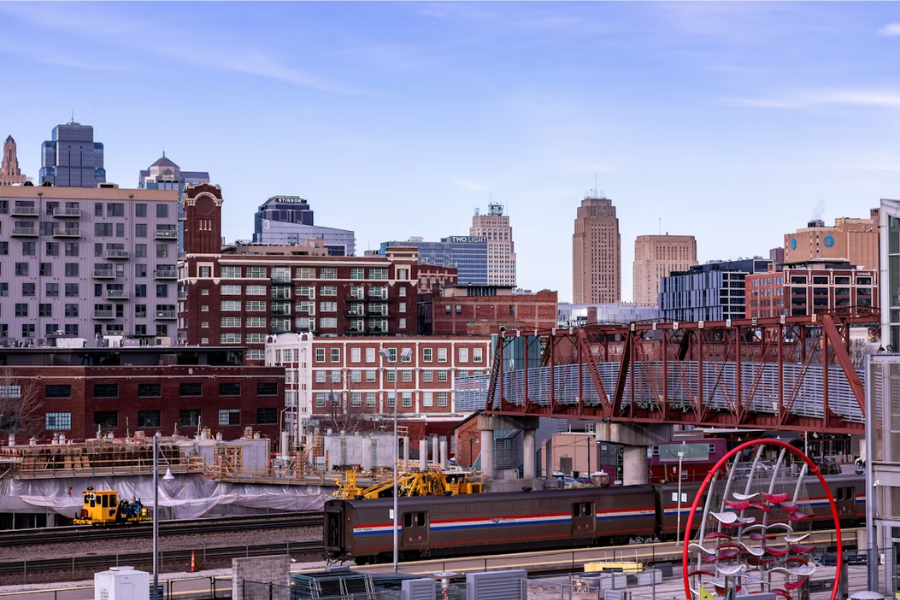

Luxury travel is evolving- and the change is more practical than dramatic. Travelers planning premium stays in 2026 are no longer chasing visual grandeur or over-the-top experiences. They are prioritizing comfort, convenience, and whether a stay genuinely improves their trip. The real measure of luxury today is not how impressive a hotel looks on arrival, but how well it supports your time, energy, and plans once you’re there. This shift is redirecting attention toward cities that deliver real usability instead of just image.
Kansas City is increasingly part of that conversation. The city has always had strong cultural roots, a serious dining scene, and distinctive neighborhoods, but it is now gaining recognition for delivering high-quality stays without the downsides of major luxury hubs. Travelers looking at luxury hotels Kansas City are often drawn by a simple advantage: you can enjoy premium comfort without inflated rates, constant crowds, or logistical hassle. The city naturally supports a smoother travel pace, which many guests now consider a core part of luxury.
Instead of competing with destinations like Vegas, Miami, or New York on scale and spectacle, Kansas City offers a more grounded value proposition. It attracts couples, event-goers, and culturally motivated travelers who want quality without chaos. The appeal isn’t performative luxury- it’s functional luxury that makes a trip feel easier, calmer, and more enjoyable from start to finish.
What Luxury Means in 2026 (And Why the Definition Is Shifting)
Luxury in 2026 is less about visible opulence and more about invisible ease. For years, hotels competed on size, finishes, and visual grandeur- bigger lobbies, heavier materials, more spectacle. But seasoned travelers have learned that impressive aesthetics do not automatically translate into a better stay. Today, luxury is judged by how naturally a property fits into a guest’s real travel rhythm.
Modern travelers are more time-aware and experience-focused. They care about how well a stay supports their purpose- whether that’s rest, connection, or exploration. A hotel that saves mental energy, reduces friction, and makes daily decisions easier often feels more luxurious than one that simply looks expensive.
Several shifts are driving this redefinition:
- Calm environments that genuinely support rest
Soundproofing, comfortable lighting, intuitive room layouts, and clutter-free design now matter more than decorative excess. Guests want spaces that help them decompress, not stimulate them. - Walkable access to meaningful places
Proximity to culture, dining, parks, and neighborhoods with character is valued more than isolated prestige locations. Being able to step outside and experience a city naturally is a form of luxury. - Thoughtful amenities over endless features
A few well-executed amenities- quality bedding, reliable Wi-Fi, great coffee, seamless check-in- often outperform long lists of underused perks. Travelers notice usefulness, not quantity. - Intentional design instead of theatrical design
Guests increasingly appreciate design that feels coherent, local, and human. Overly dramatic interiors can feel performative; thoughtful design feels calming and authentic.
Because of these changes, some legacy luxury destinations are finding it harder to justify rising prices. They still sell the old definition of luxury while travelers are buying into a new one. Meanwhile, cities that naturally deliver convenience, character, and balance are gaining appeal. Properties that focus on experience quality rather than volume or spectacle align better with current expectations.
Why Kansas City Works as a Luxury Stay City
Kansas City benefits from a city structure that quietly solves many modern traveler pain points. It is large enough to offer culture, dining, and events, yet distributed in a way that avoids the constant congestion seen in major coastal cities. This balance makes premium travel feel relaxed instead of exhausting.
Cultural venues, restaurants, and entertainment districts are spread across distinct neighborhoods rather than packed into a single corridor. This decentralization changes how visitors experience the city. Guests don’t feel forced into rigid itineraries or long transit times. They can explore in shorter, more enjoyable bursts.
Instead of planning entire days around transportation and reservations, visitors can move fluidly between activities. A museum visit, a quality dinner, and a neighborhood walk can all happen within close range. That ease reduces decision fatigue and makes a trip feel smoother- an underrated but powerful form of luxury.
Key drivers behind Kansas City’s rise as a premium stay destination include:
- A strong and accessible arts and culture scene
Galleries, music, and local creative spaces are present without being overcrowded or overcommercialized. - A slower, more human pace
The city allows travelers to enjoy experiences without the pressure and rush common in larger metros. - High design standards at realistic price points
Many properties invest in quality and style without the extreme pricing premiums of gateway cities. - Neighborhoods built for exploration
Walkable areas with personality encourage organic discovery, which many travelers now value more than scheduled sightseeing.
In short, Kansas City aligns well with how people actually want to travel in 2026: comfortably, efficiently, and with room to enjoy the moment rather than chase it.
Luxury Hotels vs. Luxury Experiences
One of the most important distinctions emerging in 2026 travel is the difference between luxury hotels and luxury experiences. In Kansas City, the two are closely aligned.
Rather than isolating guests inside destination resorts, many luxury hotel options integrate into their surroundings. This allows travelers to experience the city directly- returning to their hotel for rest, privacy, and reset rather than spectacle.
This is where Kansas City outperforms larger markets. The city supports a form of luxury that feels sustainable across multiple days, not exhausting after one.
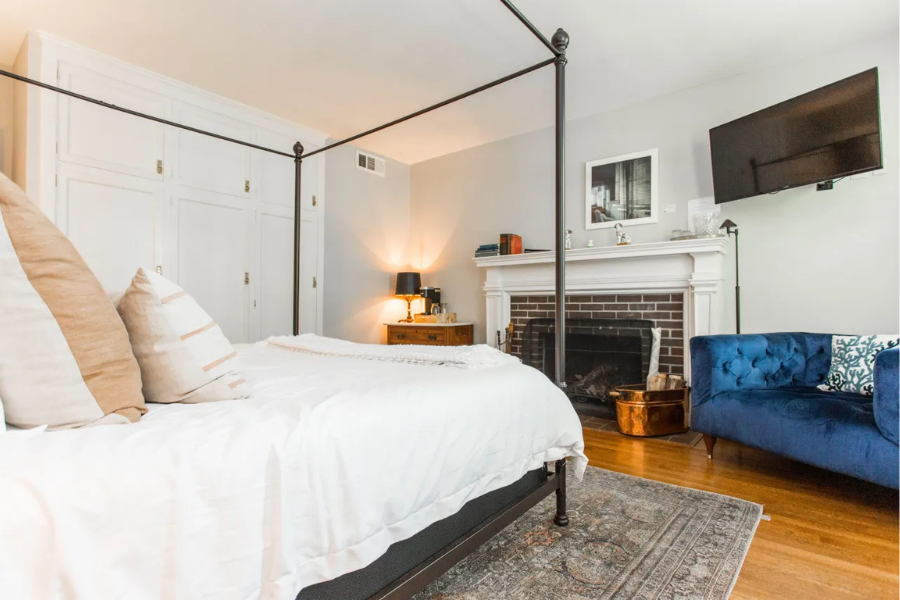
How Southmoreland Fits the 2026 Luxury Shift
Southmoreland on the Plaza reflects this modern definition of luxury particularly well. Set within a residential context near major cultural landmarks, it offers proximity without congestion- an increasingly rare combination.
Rather than leaning on overt opulence, Southmoreland emphasizes:
- Quiet surroundings that support rest
- Walkable access to museums, dining, and events
- Amenities that reduce friction rather than add ceremony
- A scale that preserves privacy and calm
For travelers evaluating a luxury hotel in Kansas City, this kind of environment often proves more valuable than traditional markers of luxury.
What Travelers Actually Use
Modern luxury travelers are far more practical than the industry often assumes. They are not impressed by long amenity lists or dramatic property features they will barely touch. What they actually remember- and pay for again- are the elements that make their stay smoother, quieter, and more comfortable in real life. The shift is from showpiece luxury to functional luxury. Travelers today subconsciously calculate value based on usage, not marketing.
In the context of luxury hotels Kansas City, this pragmatism shows up clearly. Guests care about whether the Wi-Fi works flawlessly for video calls, whether check-in feels easy after a long trip, and whether their room helps them recharge. A rooftop they visit once matters less than a great mattress they use for three nights. A marble lobby matters less than a silent room that guarantees sleep.
Luxury stays in Kansas City increasingly focus on what guests repeatedly use and appreciate:
- Reliable connectivity
Fast, stable internet is now a core expectation, not a perk. Many travelers blend work and leisure, and poor connectivity instantly downgrades a luxury perception. - Flexible arrival and departure
Early check-ins, late checkouts, and smooth self-service options reduce stress. Travelers value control over their schedule more than rigid formality. - Comfortable spaces for downtime
Well-designed rooms, seating areas, and lighting that support reading, relaxing, or casual work are used far more than formal lounges. - Quiet evenings that enable quality sleep
Noise control, neighborhood calm, and thoughtful room layout matter enormously. Sleep quality is one of the strongest drivers of satisfaction and repeat bookings.
These priorities explain why luxury hotels in Kansas City MO generate loyalty without exaggeration. They succeed by delivering consistently on the basics that actually shape a guest’s experience rather than selling grand promises that rarely impact the stay.
Who Kansas City Luxury Is Best For
Kansas City does not try to be everything to everyone, and that is precisely why its luxury segment works. The city naturally attracts travelers who value experience quality, cultural depth, and comfort over spectacle. Instead of chasing mass tourism, it appeals to guests who know what they want from a trip and prefer substance over noise.
A luxury hotel in Kansas City often serves travelers who are intentional about how they spend their time. These guests are less interested in ticking off landmarks and more interested in enjoying well-curated moments- good food, good design, and a calm environment.
Kansas City’s luxury positioning works especially well for:
- Couples planning cultural or dining-focused weekends
The city’s restaurant scene, jazz heritage, and art institutions make it ideal for couples who build trips around experiences rather than attractions. - Event travelers attending concerts, exhibitions, or seasonal festivals
Many visitors come with a specific event in mind and want a refined, comfortable base nearby. - Professionals seeking calm, high-quality short stays
Business travelers often prefer a relaxed environment where they can work efficiently and rest well. - Repeat visitors who value familiarity and ease
Kansas City rewards those who return. Familiar neighborhoods and reliable quality create a sense of comfort.
On the other hand, the city is less aligned with travelers chasing high-energy nightlife or resort-style entertainment. Ironically, this limitation strengthens its appeal for guests who prefer balance, privacy, and a more grounded luxury experience.
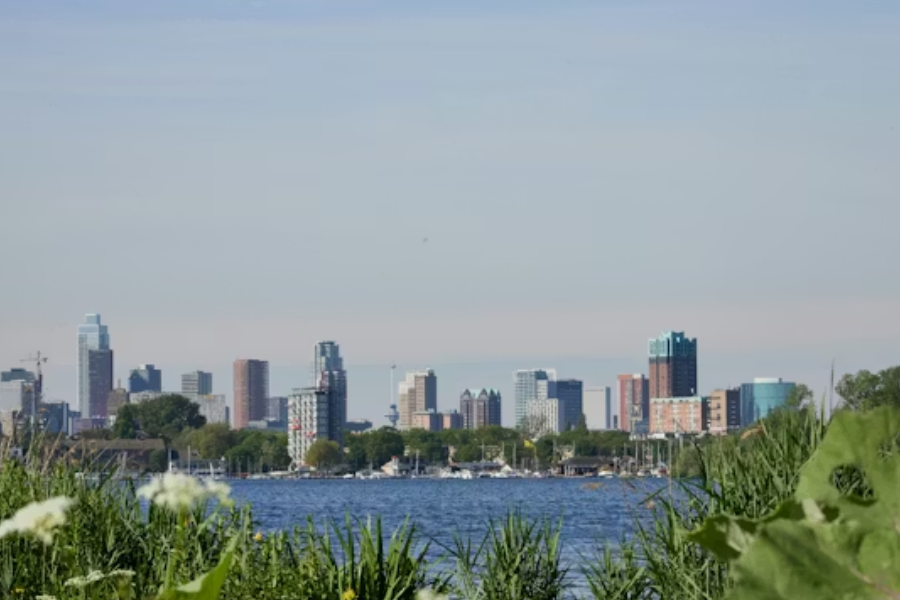
Is Kansas City the Right Luxury Destination for You?
Choosing a luxury destination is less about status and more about personal travel style. Kansas City fits travelers who define luxury as comfort, accessibility, and thoughtful design rather than scale or spectacle. It attracts people who want a trip to feel enjoyable- not overwhelming.
If your ideal stay involves moving easily between neighborhoods, discovering good food without crowds, and returning to a calm, well-designed room, Kansas City performs exceptionally well. The city quietly removes common travel friction: long queues, inflated pricing, and overstimulation.
Kansas City is an excellent luxury choice if you value:
- Walkability over spectacle
Easy neighborhood exploration beats grand but isolated locations. - Design over display
Intentional, human-centered design feels better than flashy interiors. - Calm over crowds
Space and quiet improve trip quality more than constant activity. - Value over vanity pricing
Guests often get premium quality without inflated big-city rates.
However, if your definition of luxury depends on massive resorts, dense nightlife zones, or constant stimulation, Kansas City may feel too restrained. It is a city that rewards travelers who appreciate ease, culture, and comfort. For those travelers, the luxury feels real because it improves the trip- not just the photos.
FAQs
Are luxury hotels in Kansas City comparable to major luxury markets?
Yes, but in a different way. Kansas City luxury hotels emphasize comfort, design, and livability rather than scale or spectacle.
Is Kansas City a good luxury destination for events and weekends?
Very much so. Its compact cultural districts and calmer pace make multi-day stays more enjoyable.
Are luxury hotels in Kansas City MO more affordable than coastal cities?
Generally, yes. Guests often receive higher experiential value without inflated pricing.
What makes a luxury hotel in Kansas City stand out?
Location quality, quiet environments, thoughtful amenities, and integration with surrounding neighborhoods.
A New Standard for Modern Luxury
Luxury travel in 2026 is less about where you arrive and more about how you live once you do. Kansas City’s rise reflects that reality. It offers refinement without excess, access without chaos, and comfort without compromise.
For travelers seeking luxury that feels intentional rather than inflated, Kansas City is no longer a secondary option- it’s an early indicator of where luxury travel is heading. Properties like Southmoreland exemplify this shift, not by chasing trends, but by quietly aligning with how people actually want to stay.