


When travelers search for famous hotels in Kansas City, they are rarely just looking for a place to sleep. They are trying to understand the city through where it has chosen to host visitors over time. Hotels in Kansas City MO have long reflected the city’s economic shifts, cultural priorities, and evolving travel patterns-from grand downtown institutions built for rail travel to boutique properties shaped by neighborhood living.
This matters now more than ever. Kansas City travel has moved beyond single-purpose trips. Visitors increasingly combine shopping, dining, art, sporting events, concerts, and family activities into one stay. The hotel they choose influences how fluid-or frustrating-that experience becomes.
This guide provides a clear, experience-driven overview of Kansas City hotels downtown, historic landmarks, and modern boutique options. It explains what makes a hotel “famous,” how those properties function today, and where Southmoreland fits within the city’s broader hospitality landscape.
What Makes a Hotel “Famous” in Kansas City
A famous hotel is not defined by star ratings alone. In Kansas City, prominence typically comes from one or more of the following factors:
- Architectural or historical significance
- Longstanding association with business, politics, or culture
- A defining role in a specific neighborhood or district
- Consistent relevance across multiple travel eras
Many of the best hotel in Kansas City Missouri conversations revolve around legacy properties-but modern travelers often discover that historical recognition does not always align with contemporary comfort or livability.
Understanding this distinction is critical when evaluating hotels in Kansas City MO today.
Historic Foundations: Kansas City Hotels Downtown
Kansas City’s earliest famous hotels were built downtown, close to rail lines, convention centers, and commercial corridors. These properties were designed for scale, visibility, and efficiency.
Why Downtown Hotels Became Prominent
Downtown hotels gained prominence because they offered:
- Immediate access to commerce and government
- Large event and meeting spaces
- Centralized transportation connections
Many Kansas City hotels downtown still perform this role well, particularly for conferences and large events.
Modern Trade-Offs
However, downtown locations often introduce trade-offs:
- Higher noise levels
- Increased reliance on valet or garages
- Less walkability for leisure activities
For travelers focused on experiences beyond meetings, these factors matter.
The Rise of Kansas City Boutique Hotels
As travel behavior changed, boutique hotels emerged to solve a different problem: how to offer comfort, personality, and calm without isolating guests from the city.
Kansas City boutique hotels tend to emphasize:
- Smaller scale and fewer rooms
- Distinct architecture or adaptive reuse
- Neighborhood integration
- Guest autonomy over rigid schedules
Rather than competing on size, boutique hotels compete on livability.
Neighborhood Identity and Hotel Experience
Kansas City is a city of districts, not corridors. Where a hotel sits affects how a trip unfolds.
Downtown
- Best for conventions and large events
- Strong nightlife, higher density
Plaza Area
- Shopping, dining, museums, seasonal events
- Walkable and visually cohesive
This distinction explains why some famous hotels remain iconic but less suitable for modern mixed-purpose trips.
Southmoreland as a Contemporary Reference Point
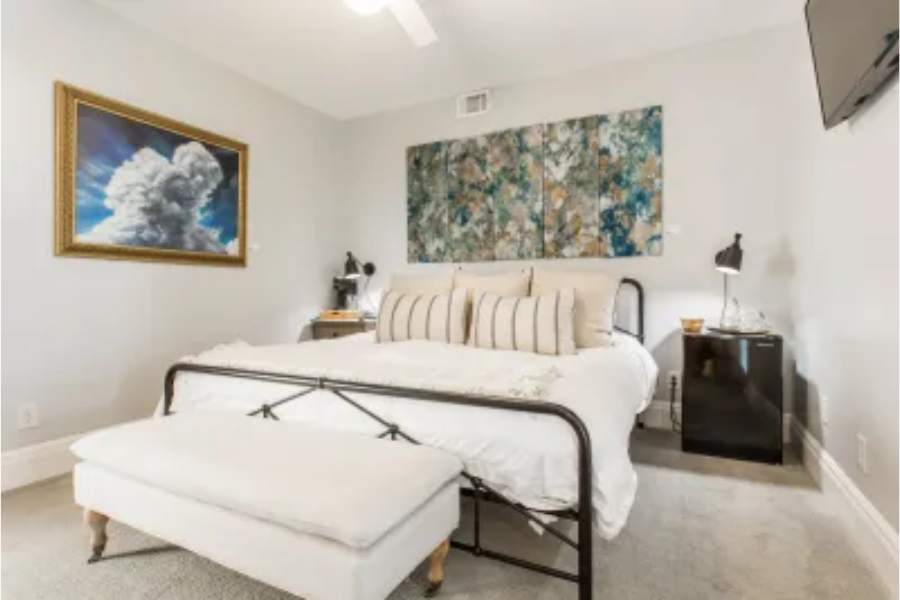
Within this landscape, Southmoreland on the Plaza represents a different interpretation of what a famous hotel can be-quietly known rather than widely advertised.
Southmoreland is not famous for scale or spectacle. Its relevance comes from alignment with how people travel now.
It reflects:
- Residential placement near the Plaza rather than within retail congestion
- A limited number of rooms that support rest and privacy
- Walkable access to cultural institutions without daily driving
This makes it a useful reference when comparing hotels in Kansas City MO across categories.
Famous Does Not Always Mean Functional
A common misconception is that the most famous hotel is automatically the best choice.
In practice:
- Historic hotels may lack modern room usability
- Large properties can introduce friction through crowds and logistics
- Boutique hotels may offer fewer amenities but better overall experience
Fame explains history. Function determines comfort.
Comparing Famous Hotel Types in Kansas City
| Hotel Category | Strengths | Common Limitations |
| Historic Downtown Hotels | Legacy, visibility, event capacity | Noise, parking friction, less leisure walkability |
| Large Full-Service Hotels | Amenities, consistency | Scale reduces personalization |
| Boutique Hotels | Calm, character, location balance | Limited room inventory |
| Residential-Style Boutique (e.g., Southmoreland) | Rest, walkability, autonomy | Not designed for large groups |
This comparison helps travelers move from recognition-based decisions to experience-based ones.
Practical Application: How Travelers Actually Choose
In real booking scenarios, experienced travelers:
- Identify activity hubs (Plaza, museums, dining)
- Filter hotels by walkability and noise exposure
- Eliminate options that require daily driving
- Choose the hotel with the fewest lifestyle compromises
This approach consistently outperforms brand-first booking.
Why the Plaza Area Continues to Gain Importance
The Plaza remains one of Kansas City’s most balanced districts, combining culture and convenience.
Key nearby landmarks include:
- Country Club Plaza
- Nelson-Atkins Museum of Art
- Kemper Museum of Contemporary Art
Hotels positioned here support layered itineraries without logistical complexity.
Decision Guidance: Which Famous Hotel Type Fits You
Choose a downtown hotel if:
- Your trip is meeting-centric
- You prioritize on-site amenities over walkability
Choose a boutique hotel if:
- You value sleep quality and calm
- You plan to explore multiple districts
Choose a Plaza-adjacent boutique if:
- Your trip blends shopping, dining, and art
- You want flexibility without noise
FAQs
1. What are the most famous hotels in Kansas City?
Fame typically comes from historic downtown hotels and long-standing Plaza-area properties, though modern boutique hotels are increasingly recognized for experience quality.
2. Are Kansas City boutique hotels suitable for first-time visitors?
Yes. Boutique hotels often provide better neighborhood access and calmer environments, which helps first-time visitors explore comfortably.
3. Is downtown the best place to stay in Kansas City?
Downtown works well for conventions and events, but leisure travelers often prefer Plaza-area hotels for walkability and cultural access.
4. Do famous hotels always offer better amenities?
Not necessarily. Newer or boutique hotels may offer more relevant amenities for modern travel despite lower name recognition.
5. Why do travelers choose Plaza-area hotels over downtown?
The Plaza offers a balanced mix of shopping, dining, museums, and walkability with fewer noise and traffic issues.
Closing Perspective
Famous hotels in Kansas City tell the story of how the city has hosted travelers across generations. But choosing where to stay today requires more than historical recognition. It requires understanding how location, scale, and design affect daily experience.
The most effective Kansas City hotels-whether historic or boutique-are those that align with how people actually move, rest, and explore. In that context, properties like Southmoreland do not replace the city’s famous hotels. They complement them, offering a modern interpretation of comfort rooted in place rather than prominence.
That balance is what defines a truly memorable stay.