

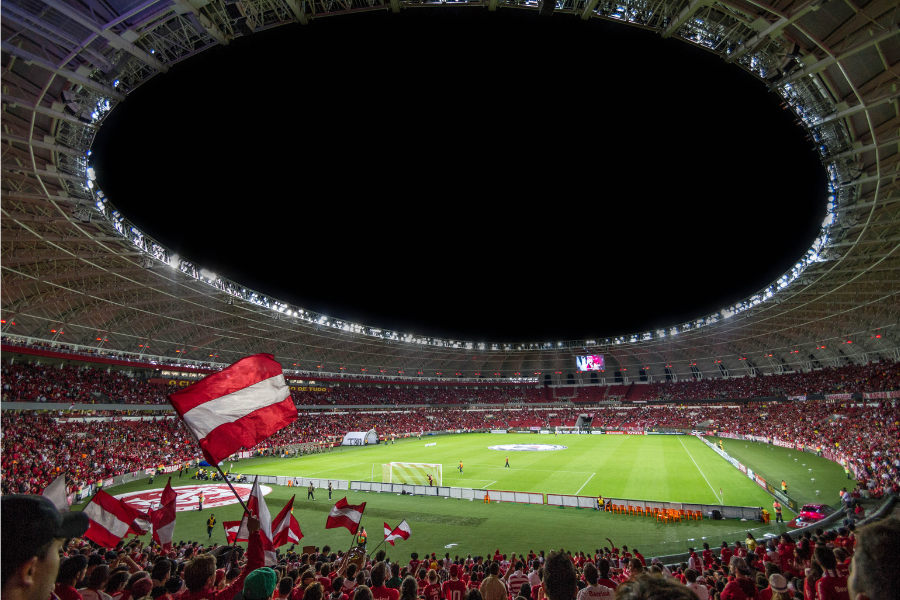

The FIFA World Cup Kansas City schedule matters for one simple reason: if you get the timing wrong, the rest of the trip becomes harder than it needs to be. Match day transport, accommodation pricing, restaurant access, and even the value of staying near certain neighborhoods all depend on understanding when Kansas City hosts games and how the city is organized around them.
Kansas City will not be a side-stage host in 2026. It is scheduled to host six World Cup matches, including four group-stage games, one Round of 32 match, and one quarterfinal. Those matches will be played at Kansas City Stadium, the FIFA tournament name for GEHA Field at Arrowhead Stadium.
For first-time visitors, especially supporters traveling from Argentina, Algeria, Ecuador, Curaçao, the Netherlands, Austria, and Tunisia, the key planning question is not just “When is the game?” It is also, “Where should I stay so match days are manageable and non-match days still feel worth the trip?” Kansas City’s answer is more nuanced than simply booking the closest room to the stadium.
This guide breaks down the world cup 2026 kansas city schedule, explains what to expect at the world cup kansas city stadium, and helps you make smarter lodging and transport decisions around the tournament.
Why the Kansas City Match Schedule Matters More Than Most Fans Think
The schedule is not just a list of kickoff times. It determines the shape of your entire visit. If you are attending one match, you can plan around a short stay. If you are following multiple teams or combining football with sightseeing, restaurant reservations, museum visits, and local transport all need to be structured around the actual calendar.
Kansas City’s six-match schedule stretches from mid-June to mid-July 2026. That spacing creates two different travel patterns. Some visitors will arrive for a single group match and leave. Others will stay longer, especially if they are pairing a group-stage game with the July 3 Round of 32 or the July 11 quarterfinal. That is where early planning starts to matter.
There is another layer here that many international travelers underestimate. Kansas City is not built around one dense visitor core in the way some European host cities are. Match day takes you east toward the stadium complex. Most restaurants, museums, and higher-demand accommodations sit in downtown, Crossroads, Midtown, and the Plaza area. So the schedule is also a geography problem. Do you want your trip centered entirely on football, or do you want the city itself to be part of the tournament experience?
What the FIFA World Cup Kansas City Schedule Actually Includes
Kansas City’s confirmed World Cup slate includes six matches. Official Kansas City and FIFA sources list four group-stage matches, a Round of 32 match on July 3, and a quarterfinal on July 11. The group-stage fixtures published after the final draw are:
- June 16, 2026: Argentina vs. Algeria
This is scheduled as a group-stage night match in Kansas City and will likely be one of the highest-demand dates for international visitors, given Argentina’s global following and the strength of traveling supporter culture around major tournaments. - June 20, 2026: Ecuador vs. Curaçao
This second group-stage match expands Kansas City’s role as a host for supporters from South America and the Caribbean, adding another travel wave just four days after the opener.
This date is particularly relevant for European and North African supporters planning longer stays, because it sits late enough in the group stage to influence qualification scenarios and travel urgency.
- June 27, 2026: Algeria vs. Austria
Kansas City’s fourth group match closes out the host city’s first phase and is likely to compress accommodation demand into a very short period at the end of June. - July 3, 2026: Round of 32
This knockout match is strategically important for fans who are booking flexible U.S. travel around advancing teams. It also means Kansas City remains relevant after the group phase ends. - July 11, 2026: Quarterfinal
The quarterfinal makes Kansas City one of the more significant U.S. host cities in sporting terms. This is not just a participation venue; it is a city hosting one of the tournament’s decisive elimination games.
KC2026 has also stated that the region will welcome at least seven teams from four continents in roughly three weeks, which gives a strong sense of how compressed and international the city’s hosting window will be.
Kansas City Stadium: What Fans Should Know About Arrowhead for the World Cup
The world cup kansas city stadium is GEHA Field at Arrowhead Stadium, known globally for American football and, during the tournament, referred to in FIFA materials as Kansas City Stadium. It is one of the most recognizable sports venues in the United States and one of the host sites selected to stage six World Cup matches.
What makes Arrowhead relevant for the World Cup is not just size, but operational experience. The venue is part of the Truman Sports Complex and has decades of experience handling very large sports crowds. Chiefs materials also note its long history of hosting soccer matches, including international fixtures and major attendance events.
For supporters, the practical takeaway is straightforward. This is a serious event venue, but it is not in a traditional tourist district. You are not walking from the stadium to a restaurant-lined square after the match. The stadium experience and the city-stay experience are separate systems, and they need to be planned that way.
That leads to the first major decision point for visitors: should you stay near the stadium, or should you stay where the city is actually livable between games?
Where Travelers Should Stay During the World Cup
The instinct to stay as close as possible to Arrowhead is understandable. It is also often the wrong move.
The stadium area is built for event throughput, not for a full travel experience. Most visitors will get better value by staying in districts that let them enjoy Kansas City when they are not at a match. That usually means downtown, Crossroads, the Plaza area, or nearby historic neighborhoods.
Plaza and Midtown for Walkable Culture
If you want restaurants, architecture, museums, and a quieter atmosphere between match days, the Plaza and surrounding Midtown districts are the most balanced option. This area gives you access to the Nelson-Atkins Museum of Art, the Country Club Plaza, and a more residential pace than downtown. For travelers who value boutique stays over large anonymous blocks of rooms, this is also where smaller historic properties become relevant.
That is where places like Southmoreland enter the conversation. Not as a generic booking recommendation, but as an example of the type of accommodation many international visitors prefer during major tournaments: smaller boutique stays located within cultural neighborhoods, offering a quieter environment outside the immediate stadium crowds. Guests considering this style of stay can explore the Southmoreland amenities to understand the features and comforts typically offered by historic boutique guesthouses in the Plaza and Midtown districts.
Downtown for Group Logistics and Nightlife
Downtown Kansas City will likely absorb a large share of tournament demand because it has the highest room inventory and easiest access to bars, large restaurants, and likely fan gathering areas. KC2026’s official site directs visitors to citywide planning resources under “Where to Stay,” “Dining Out,” and “Getting Around KC,” which strongly suggests downtown and its connected districts will serve as one of the primary operational hubs for visitors.
If your priority is being near nightlife, public watch environments, and higher-density hotel stock, downtown makes sense. If your priority is calm, architecture, and non-match-day comfort, the Plaza and historic districts are stronger.
Vacation Rentals and Group Accommodation
World Cup travel is often social travel. Supporters do not always come as couples or solo travelers; they arrive in groups, family clusters, or supporter communities. In those cases, vacation rentals can be more practical than standard hotels. The trade-off is obvious: you may lose concierge-style support, but you gain communal space, kitchen access, and better group economics.
The right choice depends on how you plan to use the trip. Are you treating it like a football mission with maximum group energy, or like a broader Kansas City visit built around one or two matches?

Match Day Transport: What Will Actually Be Hard
Most host-city travel problems are not about distance. They are about timing. The stadium is reachable by car from central neighborhoods, but the issue on match day is not raw mileage. It is synchronized arrival and departure.
KC2026 already has dedicated “Getting Around KC” planning materials, and it has separately announced dates and operating details for the FIFA Fan Festival in Kansas City. That matters because host cities do not build these systems unless they expect heavy, structured movement between fan zones, hotels, and stadium transport routes.
What should you realistically expect?
- You should expect travel buffers before every match
Do not plan on arriving “just in time.” Entry, security, route congestion, and wayfinding will all be slower during a World Cup than during a routine domestic event. A supporter’s biggest mistake is underestimating how long the final stadium approach takes. - You should expect departure bottlenecks after the final whistle
The problem after the game is not just traffic; it is simultaneous demand for every mode of exit. Ride-share waits, shuttle queues, and parking-lot release timing all become part of the event. Leaving quickly is less realistic than leaving patiently. - You should expect city-center activity even on non-match days
With the Fan Festival operating on at least 18 days, including all Kansas City game days and other major tournament dates, supporters will have reasons to stay active in the city core even when they are not attending a stadium match. That changes where it makes sense to stay.
How to Structure a Smart Kansas City World Cup Trip
A good World Cup trip has two layers: fixed commitments and flexible days.
The fixed commitments are obvious: match tickets, flight windows, hotel reservations. The flexible days are where most travelers either waste the city or enjoy it properly. Kansas City rewards flexible planning because it has enough to do without requiring a rigid tourist program.
If you are attending only one match, one smart structure is arriving the day before, keeping the match day light, and using the following day for museums, food, and city exploration before departing. If you are attending multiple matches, especially one group game plus a knockout fixture, the trip becomes much more like a short urban stay than a sports stopover.
This is where accommodation type matters. Boutique hotels are better for travelers who want character and recovery. Larger hotels are better for those who need volume and central access. Group rentals are better for supporters moving as a unit.
None of these are “best” in the abstract. They are only better when matched to behavior.
What International Supporters Should Know About Kansas City
For supporters arriving from Argentina, Algeria, Ecuador, Curaçao, the Netherlands, Austria, and Tunisia, Kansas City will likely feel different from the archetypal image of a U.S. host city. It is not built like Manhattan, not paced like Miami, and not staged like Las Vegas. That is one of its advantages.
Kansas City combines major-stadium capability with a more manageable social scale. You can eat well without planning six months ahead. You can move between districts without losing half a day. You can attend a match, then spend the next morning in a museum district instead of trapped in a stadium-adjacent zone with nothing to do.
That also makes the city a better fit for supporters traveling with mixed priorities. Some people in the group care most about football. Others care about architecture, food, or comfortable stays. Kansas City can support both without forcing one style of trip on everyone.
Common Mistakes to Avoid
A lot of bad World Cup travel comes from predictable mistakes.
The first is overvaluing stadium proximity and undervaluing city livability. The second is assuming downtown is always the right answer without checking what you want from the non-match parts of the trip. The third is waiting too long on accommodation, especially if you want a specific neighborhood or property type.
Another mistake is treating every host city the same. Kansas City is not a generic American host. It has its own rhythm, and that rhythm makes neighborhood choice more important than many visitors initially expect.
FAQs
How many World Cup matches will Kansas City host in 2026?
Kansas City is scheduled to host six matches: four group-stage games, one Round of 32 match, and one quarterfinal.
What is the FIFA World Cup Kansas City schedule?
Kansas City’s published schedule includes group matches on June 16, June 20, June 25, and June 27, followed by a Round of 32 on July 3 and a quarterfinal on July 11, 2026.
What stadium hosts the Kansas City World Cup matches?
The matches will be played at GEHA Field at Arrowhead Stadium, referred to by FIFA as Kansas City Stadium during the tournament.
Should fans stay near Arrowhead Stadium?
Usually not. Most visitors will have a better overall experience staying in downtown, Midtown, Crossroads, or the Plaza area and traveling to the stadium on match day. This is an inference based on the stadium’s location outside core visitor districts and KC2026’s city-based planning resources.
Will Kansas City have a FIFA Fan Festival?
Yes. KC2026 has confirmed operating details for the FIFA Fan Festival Kansas City, with at least 18 open days including Kansas City game days and other major tournament dates.
When Match Planning and City Planning Finally Meet
The smartest way to approach the fifa kansas city schedule is to stop thinking about it purely as a ticket problem and start treating it as a stay problem. The schedule determines when you enter the stadium, but where you stay determines how the rest of the trip unfolds.
Kansas City is positioned to be more than a stop on the tournament map. It is a host city with established cultural districts, a major international sports venue, and a wide range of accommodation styles that suit different types of World Cup visitors. Planning around the actual structure of the city- rather than focusing only on the stadium- makes the overall travel experience far smoother.
For example, some travelers researching quieter areas near museums and dining districts may encounter boutique guesthouses such as Southmoreland, located near the Country Club Plaza cultural district. Stays of this type often appeal to visitors who want easy access to Kansas City’s attractions while still being within a reasonable distance of Arrowhead Stadium on match days.
That is the difference between simply attending a match and using the World Cup as an opportunity to experience Kansas City more fully.