


Choosing between hotels in Kansas City Plaza area and Kansas City hotels downtown is less about distance on a map and more about the kind of stay you want to have. Downtown is often associated with convenience, business access, and nightlife. The Plaza is typically linked to charm, walkability, and architectural character. Both impressions hold some truth, but neither tells the full story.
Your purpose for visiting matters. A conference weekend, a romantic getaway, a concert trip, or a corporate stay all demand different surroundings. Noise levels, parking logistics, restaurant access, and overall atmosphere shift noticeably between these districts.
Kansas City itself has changed in recent years. Downtown has expanded with entertainment development and transit connectivity, while the Country Club Plaza has retained its distinctive, cohesive identity. These areas serve different rhythms of travel.
What follows is a clear comparison of how each district functions, who benefits most from each, and what trade-offs are often overlooked, so you can choose based on alignment rather than assumption.
Understanding the Two Districts: What They Actually Represent
Before comparing amenities, rates, or hotel brands, it is important to understand what each district was built to serve. The Plaza and downtown were developed with fundamentally different purposes, and that original intent still shapes how they feel today.
The Country Club Plaza
The Country Club Plaza was developed in the 1920s as one of the first automobile-oriented shopping districts in the United States. Its Spanish-inspired architecture, fountains, boutique storefronts, and tree-lined streets were designed to create a cohesive destination rather than a commercial core dominated by offices.
The Plaza is:
- Residential-adjacent
The neighborhood blends into surrounding residential areas, which softens the commercial atmosphere. Even at night, the environment feels integrated with local living rather than purely transactional. - Leisure-focused
Restaurants, galleries, and specialty shops dominate the streetscape. The district was built for strolling, dining, and spending time rather than commuting in and out for work. - Architecturally cohesive
Building facades follow a consistent design language inspired by Spanish architecture. This continuity creates a sense of place that feels curated and intentional rather than pieced together over time. - Walkable in a contained radius
Most attractions are within a compact loop. Visitors can move easily between hotels, restaurants, and retail without relying heavily on transportation once they arrive.
As a result, the Plaza attracts couples, wedding guests, anniversary travelers, and visitors who prefer a slower pace with immediate access to dining and culture in a visually distinctive setting.
Downtown Kansas City
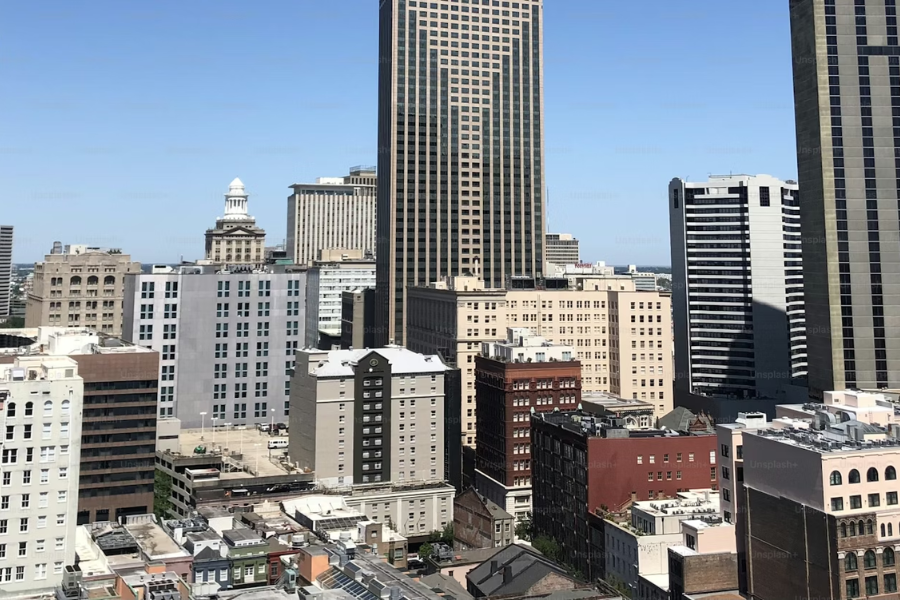
Downtown Kansas City developed as the city’s commercial and event core. It is more segmented and functionally layered, encompassing the Power & Light District, Central Business District, Crossroads Arts District, and River Market. Each sub-area serves a different purpose, from corporate offices to nightlife to market-style retail.
It houses major event venues such as T-Mobile Center, convention facilities, and corporate headquarters. Many kcmo downtown hotels are positioned near high-rise office towers, entertainment zones, and transit corridors, reflecting the district’s density and activity levels.
The downtown area tends to be:
- Event-driven
Traffic and foot movement often align with concerts, conventions, and sports schedules. Activity can surge dramatically during major events. - Business-oriented
Corporate offices shape weekday patterns, and many properties are structured to accommodate meetings, conferences, and short business stays. - Denser and louder
Vertical construction, nightlife venues, and concentrated traffic create a more intense urban environment, especially in the evenings. - More vertical in design
High-rise buildings dominate the skyline. Hotels frequently occupy multi-story towers rather than low-rise, neighborhood-style properties.
These differences are not minor. They define whether your stay feels immersed in nightlife and corporate energy or anchored in curated charm and walkable dining.
Walkability and Daily Experience
Walkability is often cited in search queries related to both hotels in Kansas City Plaza area and downtown Kansas City Missouri hotels. But walkability means different things in each district.
Plaza Walkability
In the Plaza:
- Restaurants are within a few blocks
- Sidewalks are calm and landscaped
- Traffic is moderate
- Retail stores are integrated into the architecture
Evenings are active but rarely chaotic. Morning walks feel intentional rather than rushed. You can step out of your hotel and immediately enter a pedestrian-friendly loop of boutiques and cafes.
If your trip centers around dining, shopping, and aesthetic atmosphere, this matters.
Downtown Walkability
Downtown is walkable, but its experience changes depending on event schedules. On a convention weekend or concert night, foot traffic increases significantly. Streets near the Power & Light District become lively and loud.
Some parts of downtown are quiet after business hours. Others remain energetic late into the night.
Hotel Style and Atmosphere
The difference between Kansas City hotels downtown and Plaza properties is not just location. It extends to design philosophy.
Downtown Hotel Profile
Many downtown hotels are:
- High-rise properties
- Business-class chains
- Convention-adjacent
- Designed for volume
Rooms often prioritize uniformity and efficiency. Large lobbies, conference rooms, and elevator banks are common. The scale supports corporate travel and group bookings.
This setup works well if you are:
- Attending a conference
- Traveling for business meetings
- Staying briefly before a flight
But for longer leisure stays, the environment can feel transactional.
Plaza-Area Hotel Profile
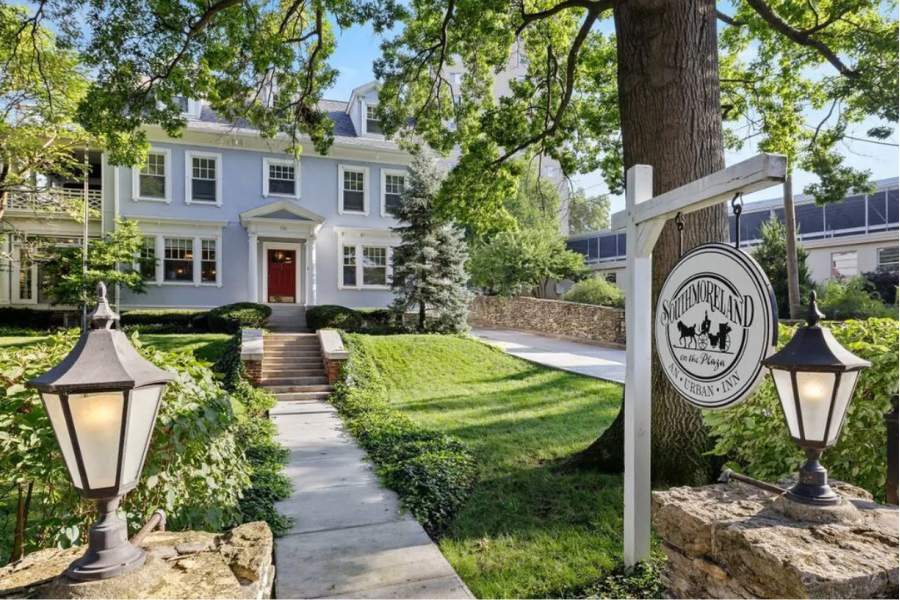
Plaza properties often skew smaller or boutique. Many integrate architectural character or historical elements. The scale is intimate. Rooms may vary in layout or design. Outdoor patios, fireplaces, or private balconies are more common in this district.
This is where you find properties that emphasize experience over throughput.
For example, amenities such as in-room fireplaces, two-person Jacuzzis, and private decks are more typical in Plaza-adjacent boutique stays. You can review specific hospitality features on the Southmoreland amenities to see how Plaza-based properties often differentiate themselves through curated design rather than sheer size.
Noise Levels and Sleep Quality
Noise is rarely highlighted in hotel descriptions, yet it quietly shapes the overall experience of a stay. Travelers may not search directly for “quiet hotels,” but concerns about location, floor level, and proximity to nightlife often point to the same issue: sleep quality.
In downtown Kansas City, noise patterns are closely tied to activity density. Nightlife venues, traffic corridors, late-night foot traffic, and periodic construction all contribute to background sound. On event-driven weekends, particularly near entertainment districts, activity can extend well past midnight. While higher floors in Kansas City hotels downtown can reduce street-level noise, they do not eliminate it entirely. For travelers planning late nights themselves, this environment may feel aligned with their schedule. For those who prioritize uninterrupted sleep, especially during multi-night stays, it can become noticeable.
The Plaza experiences traffic as well, but the rhythm tends to shift earlier in the evening. After dinner hours, activity becomes more dispersed and less club-oriented. The environment is not silent, but it is typically calmer than core downtown entertainment zones. Visitors planning romantic weekends or longer leisure stays often find Plaza evenings easier to wind down in. Sleep quality may not be the first factor considered during booking, yet it often influences how refreshed and satisfied guests feel at checkout.
Dining and Food Culture
Both districts offer strong restaurant access, but the culinary atmosphere differs in tone and structure.
Downtown dining leans toward event-adjacent experiences. Breweries, chef-driven concepts in the Crossroads district, and restaurants clustered near entertainment venues create a dynamic, urban feel. Many establishments are designed to serve pre- and post-event crowds. Depending on where your hotel sits within the district, you may need to walk several blocks to reach specific restaurants, particularly if your property is in the central business core rather than directly in the nightlife corridor.
The Plaza, by contrast, clusters dining within a compact, architecturally cohesive loop. Fine dining establishments, wine bars, and brunch-focused cafés sit within short walking distance of most properties. The Spanish-inspired streetscape enhances the atmosphere, turning dinner into part of the overall aesthetic experience. If your trip centers on celebrating something personal, such as an anniversary or milestone, the Plaza’s dining scene often feels naturally aligned. If your plans revolve around attending a concert and grabbing a quick meal afterward, downtown’s density and proximity to venues may feel more practical.
Pricing Considerations
Hotel pricing in Kansas City is highly seasonal and event-driven. Convention weekends significantly increase rates for downtown properties, particularly in larger downtown Kansas City Missouri hotels near meeting facilities. Holiday lighting season and peak leisure periods elevate demand in the Plaza district. Major sporting events affect pricing citywide.
In general, downtown offers a broader range of price tiers due to the number and scale of properties available. Larger kcmo downtown hotels can sometimes provide competitive weekday rates, especially outside event windows. The Plaza, with its stronger boutique positioning and contained inventory, often trends slightly higher during peak periods.
However, nightly rates rarely tell the full story. A lower base rate downtown may be offset by parking fees, valet charges, or event-driven surcharges. Conversely, a slightly higher Plaza rate may include design elements or amenities that contribute more meaningfully to overall comfort. Value depends on what is included and how it aligns with your expectations, not simply on the advertised price.
Parking and Transportation
Parking logistics are frequently underestimated until arrival. They can either feel seamless or immediately complicate a stay.
In downtown Kansas City, parking often involves valet service or paid garages attached to hotel towers. Nightly fees can be substantial, and street parking is limited in high-demand areas. If you anticipate driving frequently during your stay, navigating garage exits and traffic patterns may add friction.
The Plaza typically provides structured garages and, depending on the hotel, occasional complimentary options. The layout of the district makes parking logistics more straightforward for leisure travelers who plan to park once and explore on foot. For visitors driving in from surrounding states or within Missouri, ease of parking can meaningfully influence convenience and stress levels throughout the trip.
Access to Attractions
Proximity to attractions is one of the most concrete differences between the two districts.
Downtown places guests near major venues such as T-Mobile Center, the Power & Light District, the streetcar line, and the River Market. For conventions, concerts, and corporate gatherings, this proximity reduces transportation time and simplifies scheduling. Travelers with tightly structured itineraries often benefit from staying within walking distance of these hubs.
The Plaza, meanwhile, positions guests near the Nelson-Atkins Museum of Art, Loose Park, boutique retail corridors, and residential streets that encourage relaxed exploration. The environment feels balanced between commercial access and neighborhood character. If your stay centers on cultural exploration, museums, and curated dining rather than nightlife density, the Plaza often provides a more cohesive experience.
What Your Stay Actually Feels Like
Let’s move from theory to reality.
Scenario 1: Romantic Weekend
If your goal is:
- Celebratory dinner
- Morning coffee walks
- Relaxed evenings
Plaza-based properties offer more built-in ambiance. Fireplaces, private decks, and boutique aesthetics create a sense of retreat.
Downtown can work, but you may need to travel out of the business core for that experience.
Scenario 2: Conference or Corporate Travel
If your schedule is packed with meetings:
- Staying near the convention center reduces transit time.
- Elevators, business lounges, and large lobbies matter.
In this case, Kansas City hotels downtown often align more directly with your needs.
Scenario 3: Concert or Sports Event
If attending events at T-Mobile Center or nearby venues:
- Downtown minimizes rideshare costs.
- Walking back after events can be convenient.
However, consider post-event congestion and noise.
Scenario 4: Extended Leisure Stay
For multi-night leisure stays, Plaza environments often feel less transactional. The slower pace supports repeat outings without sensory overload.
The Trade-Offs Most Travelers Overlook
No location in Kansas City is universally better. Each district carries advantages that can easily turn into limitations depending on the type of trip you are taking.
Staying in Kansas City hotels downtown places you in the middle of activity. That energy can be exciting, especially on event weekends, but over multiple nights it can also become tiring. Traffic density, nightlife noise, and the pace of the central business district are not always conducive to rest. Parking is another factor that adds up quickly. Many kcmo downtown hotels rely on valet or paid garages, and those daily fees accumulate. Room design in large downtown Kansas City Missouri hotels also tends to be standardized. That predictability works well for business efficiency but can feel impersonal for leisure travelers seeking atmosphere.
The Plaza carries its own compromises. It is not designed around conventions or large-scale corporate events, so you will find fewer expansive conference facilities nearby. During peak seasons, especially holidays and high-demand weekends, base rates can trend slightly higher due to the district’s boutique positioning and walkable appeal. The Plaza is also farther from major downtown event venues, which may require rideshare coordination if your trip revolves around concerts or conferences.
Understanding these trade-offs prevents disappointment. Satisfaction often depends less on the hotel category and more on how well the environment matches your itinerary.
Which Should You Choose?
The right decision begins with honest self-assessment. Consider whether your visit is primarily event-driven or experience-driven. If most of your time will be spent at structured venues such as conferences, concerts, or business meetings, proximity becomes practical. If you value atmosphere, architectural charm, and quieter evenings, environment matters more than direct venue access.
Think about how much time you plan to spend inside the hotel versus exploring on foot. Reflect on whether parking fees meaningfully affect your budget. Decide whether you prefer boutique-scale properties or high-rise environments designed for volume and turnover.
If your answers lean toward leisure, ambiance, and walkable charm, Plaza-area stays will likely feel more aligned. If your priorities center on business efficiency, convention access, and nightlife immersion, downtown Kansas City Missouri hotels and other kcmo downtown hotels may better suit your plans.
There is no universal winner between Kansas City hotels downtown and Plaza properties. There is only alignment between your purpose and the setting you choose.
FAQs
Are Kansas City hotels downtown better for first-time visitors?
It depends on your reason for visiting. Downtown offers proximity to major venues and transit. The Plaza offers a curated, walkable neighborhood feel that many first-time leisure travelers find more memorable.
Is the Plaza safer than downtown?
Both areas are actively visited and maintained. The Plaza tends to have more residential adjacency and consistent foot traffic. Downtown safety varies by time and block, particularly late at night after events.
Are KCmo downtown hotels more expensive?
Rates fluctuate based on events. Convention weekends can push downtown rates above Plaza pricing. Off-peak weekdays may be more affordable downtown.
Which area is better for couples?
Couples often prefer Plaza properties due to ambiance, dining proximity, and quieter evenings. Downtown can work but feels more urban and energetic.
Do both areas offer boutique options?
Yes, though boutique-style properties are more common around the Plaza. Downtown tends toward larger chain hotels.
Finding the Right Fit, Not the “Best” Zip Code
The discussion around hotels in Kansas City Plaza area versus Kansas City hotels downtown is rarely about which is better. It is about which experience matches your reason for traveling.
Downtown delivers proximity, vertical city energy, and quick access to events, offices, and nightlife. It works well when your schedule is structured and your time is tight.
The Plaza moves at a different pace. Its architecture, walkable layout, and dining scene create a stay that feels intentional rather than transactional. It tends to suit couples, cultural travelers, and guests who care about atmosphere as much as location.
Both districts will continue evolving as Kansas City grows, but their character remains distinct. Choosing wisely means being honest about what you want your stay to feel like.
For travelers who prefer a quieter, boutique experience steps from the Country Club Plaza, Southmoreland offers a setting designed around comfort, architectural charm, and thoughtful amenities rather than scale. For the right type of trip, that difference is not subtle – it shapes the entire stay.