

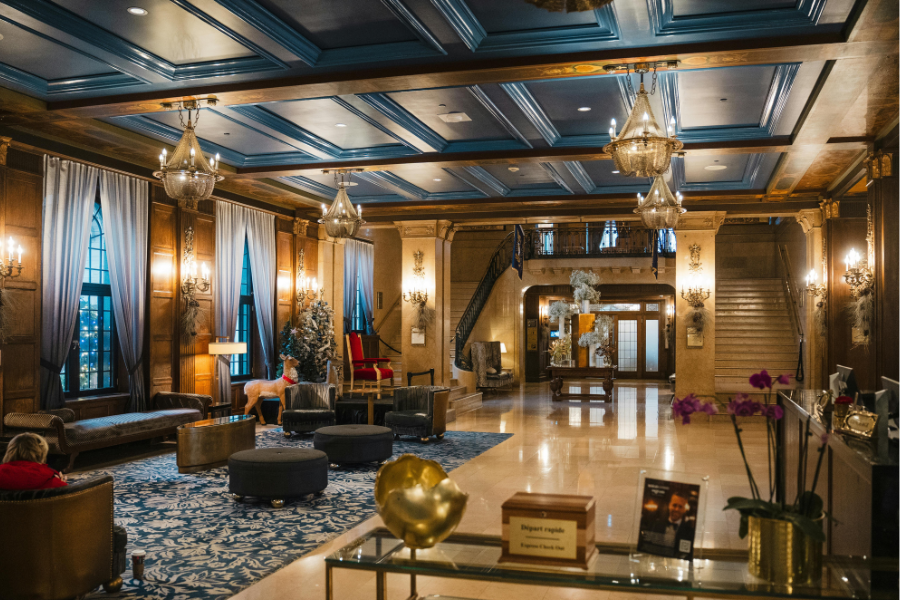

Travelers planning trips to Kansas City are asking a different question than they did five years ago. It is no longer, “Which hotel brand do I recognize?” It is, “Which of the places to stay Kansas City actually support how I want to spend my time?”
That shift matters in 2026 because travel behavior has changed. Trips are shorter. Schedules are experience-driven. Guests move fluidly between dining, events, cultural institutions, and downtime. A hotel that interrupts that rhythm feels outdated, no matter how polished it appears online.
This article examines why standardized lodging models are losing relevance, what modern travelers now expect from places to stay Kansas City, and how boutique properties are responding more effectively than large, uniform chains. If you are choosing between a boutique hotel in Kansas City and larger Kansas City hotels downtown, understanding this shift will help you avoid common planning mistakes.
Why “Cookie-Cutter” Hotels Emerged – And Why They’re Struggling
To understand where travel is going, it helps to understand why large hotel chains dominated for so long.
Cookie-cutter hotels were designed around scale, consistency, and operational efficiency. Uniform room layouts, centralized amenities, predictable pricing structures, and standardized service scripts allowed brands to expand quickly across markets. For decades, predictability equaled trust.
But predictability solved a different problem – uncertainty.
In earlier travel eras, guests prioritized reliability: Would the room be clean? Would the bed be comfortable? Would service meet baseline expectations? Large chains answered those questions effectively.
Today, the problem is different. Travelers are not worried about basic standards. They are evaluating:
- How well a property fits into a specific neighborhood
- Whether the stay enhances or interrupts the itinerary
- Whether the environment supports rest, privacy, and flexibility
When every room looks the same regardless of city, does the property still feel connected to place? And when guests travel for curated experiences – art fairs, food weekends, concerts, seasonal events – does a standardized environment feel aligned with that purpose?
The tension between scale and specificity is becoming harder to ignore.
What 2026 Travelers Actually Want From Places to Stay Kansas City
The modern traveler’s expectations are more subtle – and more demanding.
1. Location That Reduces Friction
Location has always mattered. What has changed is how location is evaluated.
Instead of simply being “downtown,” guests now ask:
Is it walkable?
Is it near cultural anchors?
Will I need transportation for every activity?
Many Kansas City hotels downtown offer proximity to business districts and event venues. That works well for conferences and large-scale gatherings. But leisure travelers increasingly prioritize neighborhoods that feel livable rather than transactional.
Places to stay Kansas City that are embedded in cultural districts – near dining, parks, galleries, and historic architecture – allow guests to move organically through the city. That fluidity creates a sense of calm.
Is proximity alone enough, or does the surrounding environment need to support how guests actually spend their time?
2. Privacy Over Volume
High-capacity hotels are built around movement: elevators, lobbies, event traffic, constant turnover. For some trips, that energy is acceptable. For many 2026 travelers, it is exhausting.
A boutique hotel in Kansas City offers something fundamentally different: fewer rooms, quieter hallways, and a more residential scale. Guests notice the difference immediately – not because it is marketed, but because it is felt.
Rest quality has become a defining factor of luxury. A property that reduces noise, crowds, and constant public interaction provides tangible value. In an era where guests are overstimulated daily, calm has become a premium feature.
3. Thoughtful Amenities Instead of Overwhelming Ones
Travelers rarely use every available amenity. Yet many large hotels compete by expanding them: bigger fitness centers, more dining outlets, larger public spaces.
But what do guests consistently use?
- Reliable Wi-Fi
- Comfortable seating for reading or working
- Easy access to coffee
- Flexible arrival processes
- Well-designed bathrooms
A boutique hotel in Kansas City that invests in high-quality essentials often delivers greater satisfaction than a sprawling property that spreads resources thinly across dozens of underutilized features.
Are amenities enhancing the stay, or simply filling brochure space?
The Rise of Boutique Hotels in Kansas City
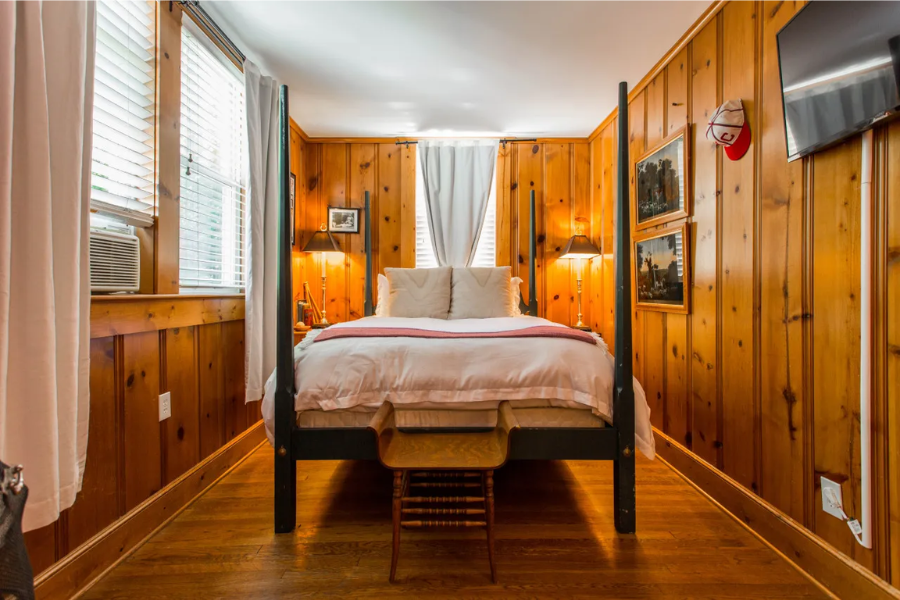
Kansas City boutique hotels are not merely smaller versions of large chains. They represent a structural alternative.
Instead of scaling across markets, boutique properties embed themselves deeply in one neighborhood. Their design reflects local architecture. Their public spaces feel intentional rather than standardized. Their size allows service to feel human rather than procedural.
In Kansas City, this model aligns particularly well with how the city is structured. Cultural districts, parks, dining corridors, and historic neighborhoods are distributed in ways that reward exploration.
When evaluating places to stay Kansas City, the distinction becomes clear:
- Kansas City hotels downtown often prioritize event capacity and centralized access.
- Boutique hotels prioritize neighborhood immersion and rest quality.
Neither model is inherently superior. The difference lies in travel purpose.
If the trip revolves around large conferences or stadium events, centralized downtown properties may offer logistical advantages. If the trip revolves around art fairs, dining weekends, or seasonal exploration, boutique environments often integrate more seamlessly.
Which environment better supports the pace you intend to keep?
What This Looks Like in Real Trip Planning
Understanding theory is helpful. But how does this shift play out in actual bookings?
Consider three common travel scenarios:
Scenario 1: Event-Driven Weekend
A couple plans a weekend around a seasonal cultural event. Their days include museum visits, dining reservations, and evening performances.
A large downtown hotel might offer proximity to one anchor location. However, if the surrounding environment is traffic-heavy and business-oriented, transitions between activities may feel fragmented.
A boutique hotel in Kansas City located within a walkable cultural district reduces logistical overhead. Guests can return mid-day to rest. Evening transitions feel less rushed.
Scenario 2: Mixed Work and Leisure
A professional extends a work trip into a leisure stay. They need reliable connectivity, quiet space, and flexibility.
High-volume properties may offer larger business centers, but common areas can feel transactional. Boutique environments often provide quieter lounges and rooms better suited for hybrid use.
Is the goal productivity within noise, or productivity within calm?
Scenario 3: Romantic or Reflective Getaway
For guests prioritizing atmosphere, architectural character, and privacy, standardized rooms can feel emotionally flat. Boutique properties – particularly historic ones – provide spatial variation and design texture that enrich the experience.
Not every traveler values this. But for those who do, it matters significantly.
Risks and Misconceptions About Boutique Hotels
Not all boutique hotels are automatically better. There are trade-offs.
Misconception 1: Boutique Always Means Luxury
Some boutique properties prioritize design over functionality. Small scale does not guarantee comfort. Guests should still evaluate room size, insulation, and service consistency.
Misconception 2: Downtown Always Means Convenience
Kansas City hotels downtown may offer central addresses, but convenience depends on itinerary. Proximity to highways is different from proximity to walkable cultural streets.
Misconception 3: Large Hotels Are Impersonal by Default
Well-managed chain properties can deliver excellent service. The issue is structural design, not competence.
The real question is alignment. Does the property model match the traveler’s priorities?
How to Evaluate Places to Stay Kansas City in 2026
Instead of filtering solely by star rating or brand name, travelers should assess:
- Neighborhood context
Is the hotel embedded in a walkable, experience-rich area? - Room environment
Does the layout support rest and flexibility? - Noise exposure
Are there event venues, highways, or nightlife corridors nearby? - Amenity practicality
Are features designed for actual use, or scale display? - Scale of property
Does the number of rooms affect your comfort level?
These criteria matter more in 2026 than they did a decade ago because travelers are optimizing for experience quality rather than brand familiarity.
A Quiet Shift in Kansas City’s Hospitality Landscape
Kansas City’s hospitality environment mirrors broader national trends, but the change is unfolding in a more measured and visible way. The city supports both long-established Kansas City hotels downtown and a growing collection of smaller, design-forward properties embedded within historic neighborhoods. Rather than competing directly, these two models increasingly serve different traveler needs.
This coexistence creates meaningful choice for visitors evaluating places to stay Kansas City. A downtown tower may offer proximity to convention centers and business corridors. A boutique hotel in Kansas City, by contrast, often sits within walkable districts where dining, parks, and cultural institutions shape the daily rhythm of a trip. The question is no longer which category is “better,” but which setting aligns with how you plan to spend your time.
The broader shift is not about eliminating large hotels. It is about diversification. Travel patterns have become more purpose-driven. A guest attending a trade show has different logistical needs than a couple planning a museum weekend or a family exploring local restaurants and art fairs. As trips become shorter and more experience-focused, standardized design and scale no longer provide automatic advantage.
For seasonal events, concerts, and cultural weekends, smaller properties are increasingly preferred because they integrate more naturally into surrounding neighborhoods. For large-scale conventions or business summits, centralized properties with expansive meeting space remain practical. Kansas City reflects this balance clearly: both models are viable, but they solve different problems.
The key insight is straightforward. Cookie-cutter design does not guarantee relevance. Fit matters more than familiarity.
Is a Boutique Stay the Right Fit for Your Trip?
Choosing between a boutique hotel in Kansas City and larger Kansas City hotels downtown should start with clarity about your itinerary. What will your days actually look like? Where will you spend your time? How important is privacy versus proximity to large venues?
A boutique property is often well suited if:
- You prioritize calm, privacy, and quieter surroundings
- Your plans revolve around neighborhood dining, galleries, and parks
- You appreciate architectural character and thoughtful design
- You prefer smaller-scale environments with fewer crowds
In these cases, boutique environments tend to enhance the experience rather than merely support it. They reduce noise, simplify movement, and feel integrated into the local fabric rather than separate from it.
On the other hand, larger downtown hotels may be more practical if:
- You are attending a major convention or corporate gathering
- You require extensive meeting facilities or business infrastructure
- Your schedule centers around business districts or event complexes
For high-volume events, immediate proximity to convention centers and large venues can outweigh design intimacy.
There is no universal answer. The mistake many travelers make is assuming one model fits all travel purposes. When evaluating places to stay Kansas City, the most effective approach is to match the property type to the objective of the trip. A cultural weekend, a romantic escape, and a multi-day business conference each require different spatial and logistical support.
Kansas City offers both paths. The value comes from choosing intentionally.
FAQs
Are boutique hotels replacing large chains entirely?
No. Large chains remain relevant for business travel and conventions. Boutique properties are gaining preference for leisure and experience-driven stays.
Why are travelers shifting away from standardized hotels?
Travelers now prioritize atmosphere, neighborhood integration, and rest quality over brand familiarity and scale.
Are Kansas City hotels downtown outdated?
Not necessarily. They serve different purposes. The key is whether their environment aligns with the traveler’s itinerary.
What defines a boutique hotel in Kansas City?
Typically smaller properties with distinctive design, neighborhood integration, and fewer rooms, creating quieter and more personalized environments.
Is boutique always more expensive?
Not always. In cities like Kansas City, boutique pricing can remain competitive while offering higher experiential value.
Where Travel Is Headed – And Why Intention Now Matters More Than Scale
Hospitality is not being disrupted by spectacle; it is being refined by expectation. Travelers are more deliberate about where they stay because they understand that accommodation shapes the entire rhythm of a trip. The focus has shifted from brand recognition to alignment – alignment with neighborhood energy, personal pace, and the purpose of the visit.
Across the city, the most relevant places to stay Kansas City are those that reduce friction and support how people actually experience Kansas City – on foot, between restaurants, galleries, parks, and events. Large hotels still serve a role, particularly for conventions and high-volume gatherings. But for leisure-driven trips, quieter environments and thoughtfully designed spaces increasingly win.
Properties that understand this shift – that prioritize rest, walkability, and atmosphere – are positioned ahead of the curve. Southmoreland reflects that model: a boutique hotel in Kansas City that balances historic character with livability, offering an alternative to standardized Kansas City hotels downtown. For travelers seeking a stay that feels intentional rather than interchangeable, that distinction matters.
The future of travel is not louder. It is more considered. And the places that succeed will be the ones built around that understanding.